Skip To Content

Plastic Medical Device Manufacturing and Packaging

AdvanTech is an industry leader in manufacturing high-quality, medical-grade components to tight tolerances and exacting specifications.

With meticulous attention to all aspects of the medical injection molding process and a reputation for timely deliveries at globally competitive prices.

AdvanTech medical/dental injection molding is the optimal choice for efficient, cost-effective, FDA-compliant devices and components.

Considerations for Medical/Dental Injection Molding

Designed as flexible membranes, metal diaphragms are used to create seals in systems — such as fluid control systems — to isolate different enclosures.

Pressure sensor isolation is one of the most common applications; extremely flexible, metal diaphragms allow for the transfer of pressure effects from the process system to a closed pressure sensor system while simultaneously providing protection from the process fluid and protecting the process fluid from contamination.


Choosing the Right Material

  • Strength: Plastic resins are durable and malleable, but each varies in its combination of those qualities. It is critical to select a resin that meets specific medical-grade standards of rigidity and endurance.
  • FDA Requirements: FDA regulations differ for internal and external applications. For instance, internal devices like stents call for certain materials. Selecting the proper resin ensures compliance with these regulations and proper unit performance.
  • Chemical and Heat Resistance: All finished components are exposed to chemicals and heat, especially those subject to sterilization via gamma ray, chemical, or autoclave procedures. Their viability depends on their resistance to these exposures.
  • Operational Compatibility: Finished components need not be subject to extreme sterilization procedures to suffer operational degradation. Be sure to select a resin that will hold up under whatever corrosive, chemical, or radioactive conditions may be present.
  • Life Span and Disposability: Some components are meant to last for many years, while others are designed for disposal, usually after a single use. Cost-efficiency, as well as FDA compliance, requires different materials for these various applications.
Plastic Resin Material
Plastic Resin

Choosing The Right Production Process

Right Production Process

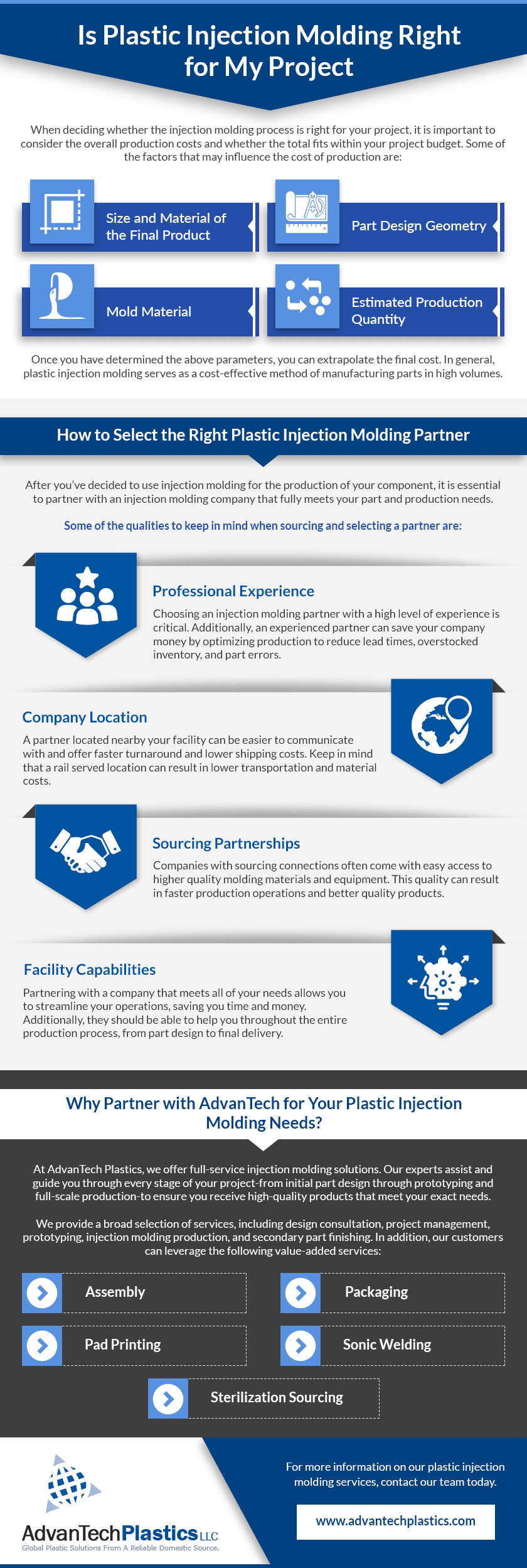
As with any manufacturing process, injection molding projects depend on careful consideration of spatial, dimensional, and economic factors including:

  1. Individual finished unit size and dimension
  2. Part design and geometry
  3. Mold material
  4. Estimated production run quantity
  5. Production cost-effectiveness

The Medical/Dental Injection Molding Process

Plastic medical device

Having selected the proper material/resin, the molding operator executes the following series of procedures:

  1. The selected resin is fed into a barrel, heated and melted by heater bands and friction of a reciprocating screw.
  2. Once the resin is melted, the screw directs it down the barrel toward an injection nozzle.
  3. The nozzle injects the pressurized resin at a high pressure and, calibrated speeds into a steel or aluminum mold.
  4. The injected resin cools to the shape of the mold and is ejected.

Medical/Dental Injection Molding Materials and Products

Is Plastic Injection Molding Right For My Project

Injection Molding Materials

AdvanTech utilizes a wide variety of medical-grade plastics and resins which with attendant qualities include:

  • Acetal: durable, dimensionally stable chemical, creep and wear resistance
  • Acrylic: weather-resistant transparency, rigidity, light transmissivity
  • ABS: strength and rigidity on glossy surfaces in low chemical, non-electrical and UV negative applications
  • HIPS: impact resistance and durability for printing, gluing, and bonding
  • LDPE/HDPE: versatile flexibility
  • Nylon: durable chemical, temperature, and abrasion resistance
  • Polycarbonate: strength, resilience, and transparency
  • Polypropylene: durable, elastic, and insulating transmissivity
  • PEBA: Thermoplastic chemical resistance
  • TPE: Pliable, elastic, low durometer

Injection Molding Materials

Plastic Injection Molded Medical Device

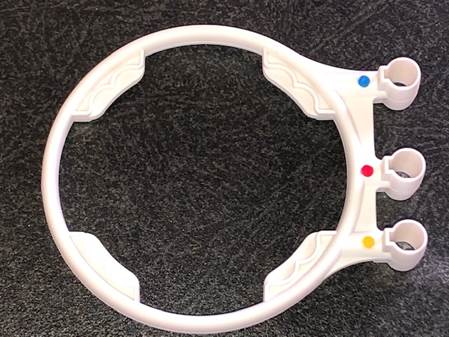
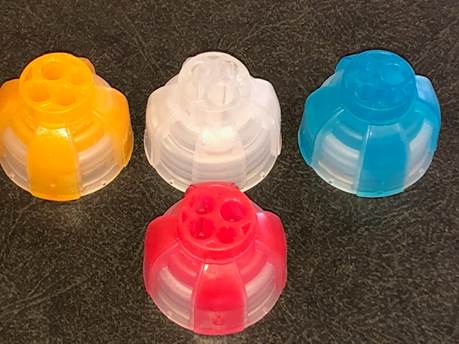
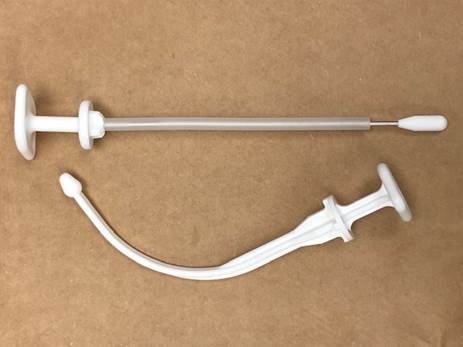
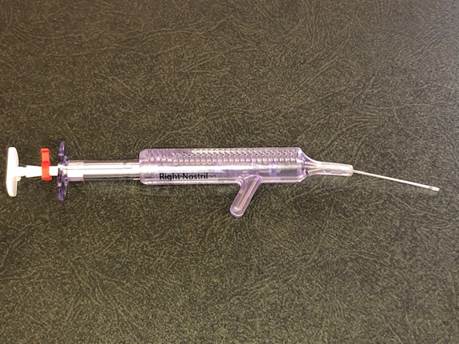
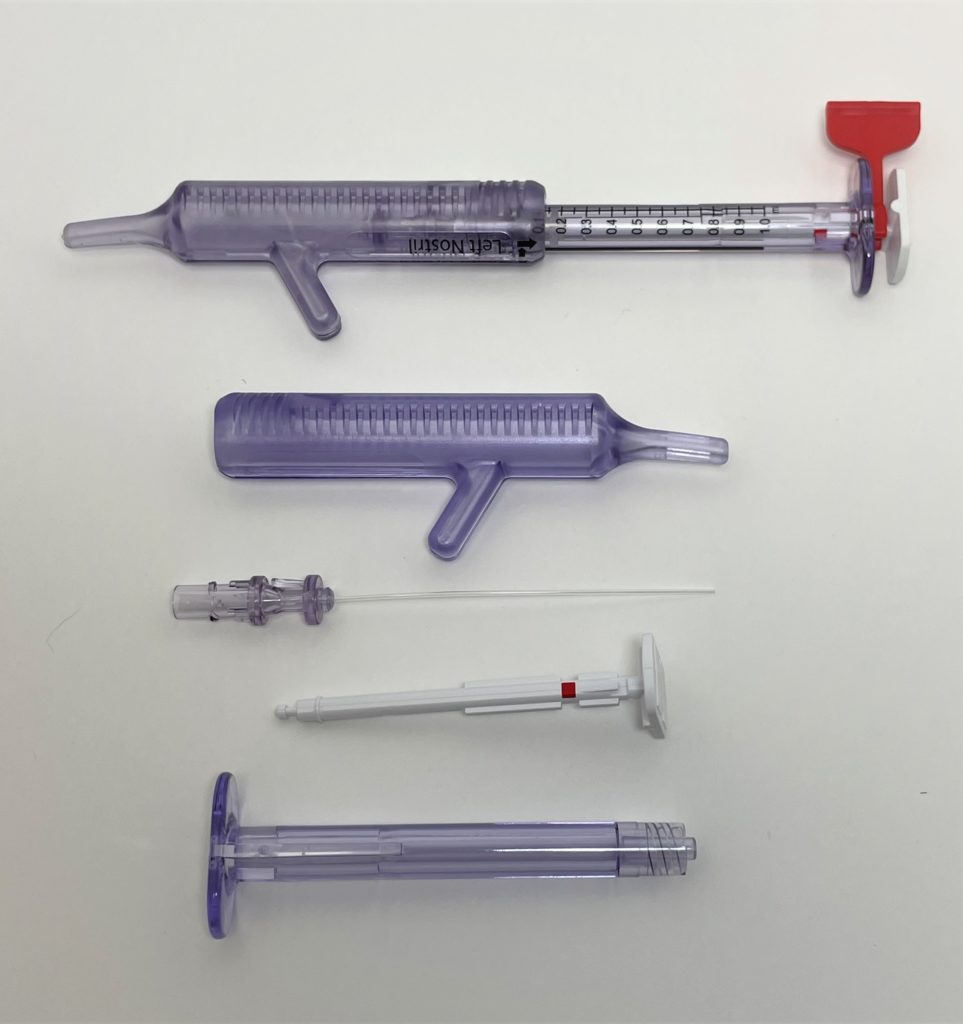
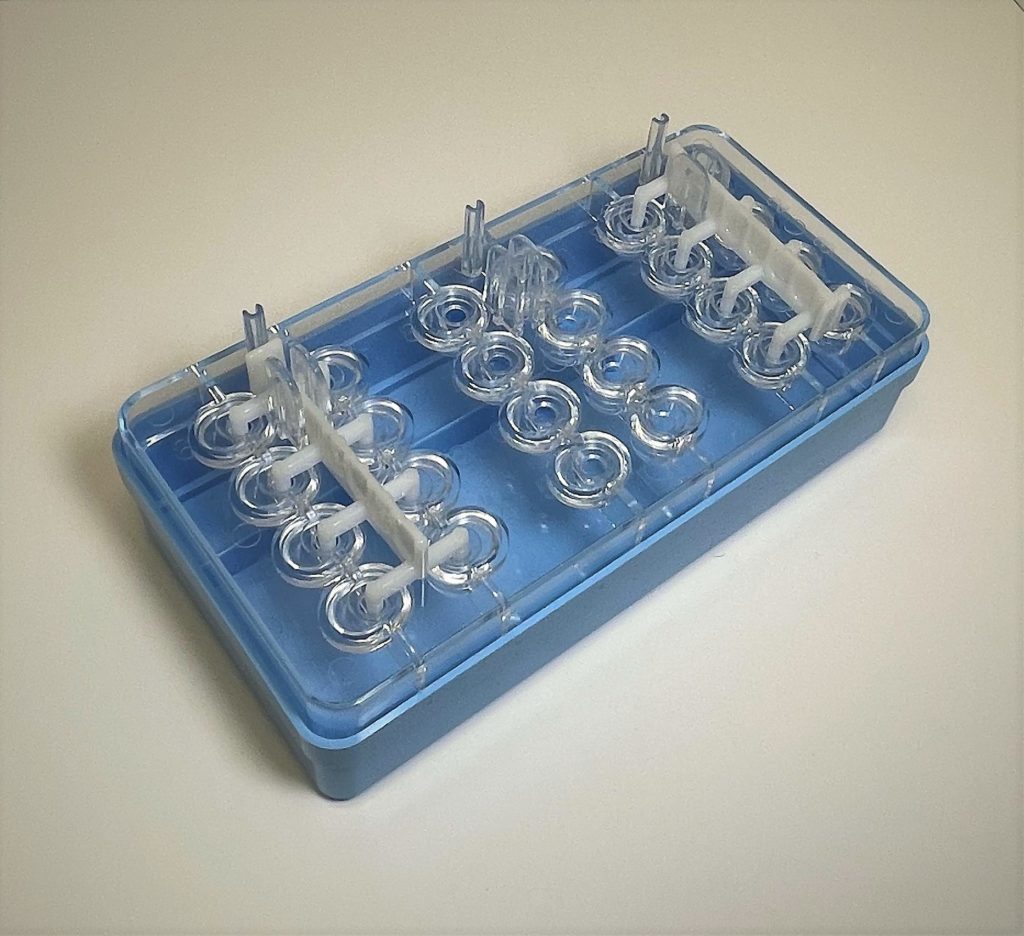
AdvanTech Plastics prides itself on the timely and cost-effective design and production of injection molded medical components. Highly trained professionals utilize leading-edge technology to ensure each is manufactured to the exacting standards and tolerances. Some items are:

  • Tracheotomy arbutrators
  • Nasal syringes
  • Dental devices
  • Specimen containers
  • Pharmaceutical packaging


AdvanTech Plastics is an ISO 9001:2015, ISO 13485:2016 and AIB-certified manufacturer of medical/dental components and disposables that prides itself on the world-class facilities and expertise required to provide industry-leading molding designs, builds, and components.

Committed to unequaled quality and customer satisfaction, AdvanTech is a one-stop resource for domestically sourced medical/dental injection molding solutions, including fully traceable component procurement, packaging, products, and assemblies.

Request your quote today and put AdvanTech’s industry-leading capabilities to work for you.

Plastic Medical Device FAQs

We mold plastic components for medical products under an ISO 13485–driven quality system, from DFM and material selection through IQ/OQ/PQ validation, traceability, and packaging. We support new tools and mold transfers, coordinate sterilization readiness (EtO, gamma, e-beam, steam) with validated partners, and provide the documentation you need for audits and launches.

What kinds of medical products do you support?

Diagnostics and point-of-care disposables, drug-delivery components, housings and enclosures, caps/closures, fluid-path parts, and miniature/high-precision components. Share your CTQs and regulatory context and we’ll map the right process window and documentation.

Are you ISO 13485 certified?

Yes—we operate to ISO 13485 for medical work. We maintain controlled procedures, training, calibration, nonconformance/CAPA systems, and device history documentation. Ask us for our current certificate and quality manual table of contents.

Do you accept mold transfers or only build new tools?

Both. For transfers, we audit tool condition, documentation, prior settings, and spares, then run a qualification plan to establish a validated process window before production.

How do you approach DFM for medical parts?

Early DFM covers gate location, wall uniformity, draft, knit-line management, venting, and tolerancing. We can provide mold-flow guidance when needed and align GD&T with realistic capability targets before tool steel is cut.

Do you provide cleanroom molding?

We provide controlled clean handling and packaging in-house and can run in partner cleanrooms if your program requires a specific ISO class. We’ll define gowning, environmental monitoring, and packaging protocols with you in the control plan.

Which sterilization methods will my part tolerate?

We routinely plan for EtO, gamma, or e-beam (and steam where appropriate). We help match resin + additives + colorants to the sterilization method and can coordinate testing with your sterilization provider.

How are materials selected and documented?

We source medical-grade resins where available, manage lot traceability, and maintain CoA/CoC records. If your file requires ISO 10993/USP Class VI support or additive disclosure, we work with suppliers to provide the needed statements.

What validation do you run—do you follow IQ/OQ/PQ?

Yes. We execute or support IQ (installation), OQ (process characterization), and PQ (performance/PPQ) per agreed protocols, with pFMEA, control plan, MSA (gage R&R), and capability (Cpk/Ppk) where specified.

What documentation will I receive for each lot?

At minimum: DHR/lot traveler, material and colorant CoA/CoC, in-process and final inspection records, and label/pack verification. We align with customer templates and secure digital copies for audits.

Can you help with UDI and labeling?

Yes—provide your UDI and label specs, and we’ll implement lot/serial tracking and label verification in the pack plan.

Do you offer secondary operations?

Yes—ultrasonic welding, pad printing, insert/overmolding, assembly, kitting, and protective packaging suitable for your sterilization pathway and cleanliness needs.

How tight are the tolerances you can hold?

It depends on geometry, material, and tool design. We’ll propose capability-backed tolerances during DFM and confirm with OQ studies; for micro-features we’ll review gate style, steel condition, and measurement strategy up front.

What do you need to quote a medical part?

3D CAD + 2D drawing with CTQs, estimated annual volume, target resin/color, sterilization method, cleanliness/packaging requirements, and any regulatory deliverables (e.g., ISO 10993 expectations, validation scope).

How do you protect IP and tooling?

We work under NDA, restrict access to controlled documents, and maintain tooling logs for maintenance and storage. You retain tool ownership per the contract.

Have a medical part to launch or transfer? Email sales@advantechplastics.com
with CAD, CTQs, volume, and sterilization plan—or start an RFQ and ask for a DFM + validation roadmap.