Polypropylene is a versatile and widely used plastic polymer that has found its way into numerous industries. One of its most significant applications is in the medical field, where it has become the material of choice for various medical devices. Its popularity stems from a combination of unique properties that make it exceptionally well-suited for medical applications.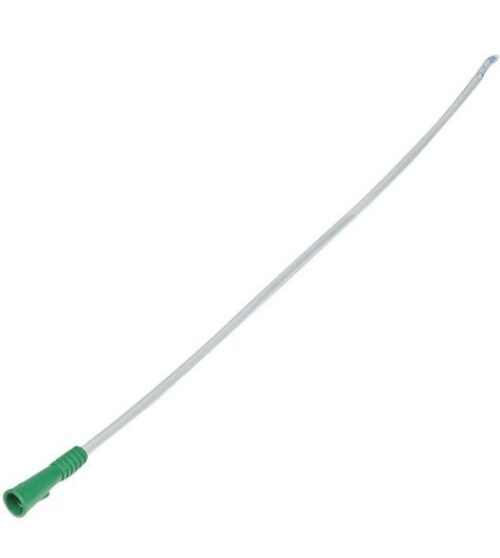
Biocompatibility is a critical factor when considering materials for medical devices, as they often come into direct contact with human tissues and fluids. Polypropylene stands out in this regard, as it is inherently biocompatible. When used in medical devices, it does not elicit a significant toxic or immunological response from the body. This feature reduces the risk of adverse reactions, making it a safe choice for patients. Medical devices made from polypropylene can be used with confidence, knowing they are unlikely to cause harm or discomfort to the user.
Another important characteristic of polypropylene is its chemical inertness. This means it does not react with most chemicals or substances it encounters during medical procedures or treatments. For instance, in the context of a syringe, polypropylene ensures that the medication or fluids being administered remain pure and unaltered, without any unwanted interactions with the material. Such chemical stability is vital in maintaining the efficacy of pharmaceuticals and the overall integrity of plastic medical devices.
The low toxicity of polypropylene further enhances its appeal for medical applications. As a low-toxicity material, polypropylene minimizes the risk of harmful substances leaching into the body. This is especially important in devices that come into prolonged contact with tissues, such as implantable components or devices used for continuous drug delivery. By using polypropylene in these applications, medical professionals can improve patient safety and reduce the likelihood of adverse effects caused by the device itself.
Polypropylene’s mechanical properties make it a robust and reliable choice for medical devices. It exhibits high tensile strength and impact resistance, ensuring the devices can withstand the rigors of medical procedures and daily use. Devices like catheters, which require flexibility and durability to navigate through blood vessels, benefit greatly from these mechanical characteristics. Additionally, implantable devices made from polypropylene offer long-term stability and performance due to its mechanical strength.
Manufacturers appreciate the ease with which polypropylene can be molded into complex shapes and sizes. Being a thermoplastic material, polypropylene becomes pliable when heated, allowing it to be formed into intricate designs with precision and consistency. This capability simplifies the manufacturing process and enables the production of customized medical devices to meet specific patient needs.
Polypropylene’s resistance to moisture and chemicals further adds to its attractiveness for medical applications. Devices made from this material can be effectively sterilized without compromising their structural integrity. In medical settings where hygiene is of utmost importance, the ability to withstand frequent sterilization processes is invaluable.
The lightweight nature of polypropylene is yet another advantageous characteristic. Medical devices can be delicate and intricate, and using a lightweight material helps ensure that the overall device remains portable, easy to handle, and comfortable for patients. For instance, prosthetic devices made from polypropylene can provide functionality and comfort to patients without adding unnecessary weight.
Cost-effectiveness is a practical consideration in the medical industry, and polypropylene excels in this aspect as well. Compared to some other medical-grade materials, polypropylene is relatively inexpensive. Its cost-effectiveness has allowed medical device manufacturers to provide essential healthcare tools at reasonable prices, ultimately benefiting patients and healthcare providers alike.
To sum up, polypropylene’s unique combination of properties makes it an excellent plastic polymer for medical devices. Its biocompatibility, chemical inertness, low toxicity, mechanical strength, and ease of molding contribute to its popularity in the medical industry. Moreover, its resistance to moisture and chemicals, lightweight nature, and cost-effectiveness further solidify its position as a top choice for various medical applications. As technology and material science continue to advance, polypropylene will likely remain a key player in the development of innovative and reliable medical devices, improving patient care and medical outcomes.
FAQs
-
Why is polypropylene (PP) popular for medical devices?
PP combines biocompatibility, chemical resistance, low extractables, and cost-effective, high-volume molding—ideal for many non-implantable components. -
Is medical-grade polypropylene biocompatible?
Yes. Medical-grade PP resins are formulated for biocompatibility testing (e.g., ISO 10993) and low extractables; always confirm certification with the specific resin supplier. -
What kinds of devices commonly use polypropylene?
Syringes and housings, caps and closures, labware, IV and diagnostic components, and packaging where chemical resistance and cleanliness are critical. -
How does PP compare with polycarbonate or PVC in medical uses?
PP offers superior chemical resistance and low extractables vs. many alternatives, but has lower heat resistance and transparency than polycarbonate and is more rigid/less flexible than many PVC formulations. -
Which sterilization methods are compatible with PP?
Ethylene oxide and gamma/e-beam are widely used. Steam/autoclave may be possible depending on grade and geometry; verify with the resin’s technical data and part validation. -
Does polypropylene contain BPA, phthalates, or plasticizers?
PP is naturally free of BPA and typically does not require plasticizers; verify any additives on the resin’s regulatory data sheet. -
What are the limits of PP in medical applications?
Heat deflection temperature and long-term autoclave stability can be limiting. PP can stress-crack under certain environments and is not generally used for long-term implants. -
What’s the difference between homopolymer and copolymer PP for devices?
Homopolymer PP provides higher stiffness and clarity; random or impact copolymers improve toughness and low-temperature performance—grade selection depends on part requirements. -
How does PP perform in cleanroom molding?
Medical-grade PP runs well in ISO-class cleanrooms with proper drying/handling; it supports consistent, low-particulate production and stable mechanical properties. -
Is PP suitable for disposable, single-use medical products?
Yes. PP’s cost efficiency, chemical resistance, and stable processing make it a top choice for single-use labware and device components. -
What documentation do OEMs typically require for PP parts?
Material certificates (lot traceability, COA), biocompatibility summaries, sterilization compatibility data, and validated molding/inspection records aligned to the device’s quality plan. -
Can PP be recycled in medical manufacturing streams?
Clean, uncontaminated PP runners and parts are often recyclable; post-clinical recycling depends on local regulations and contamination controls.